
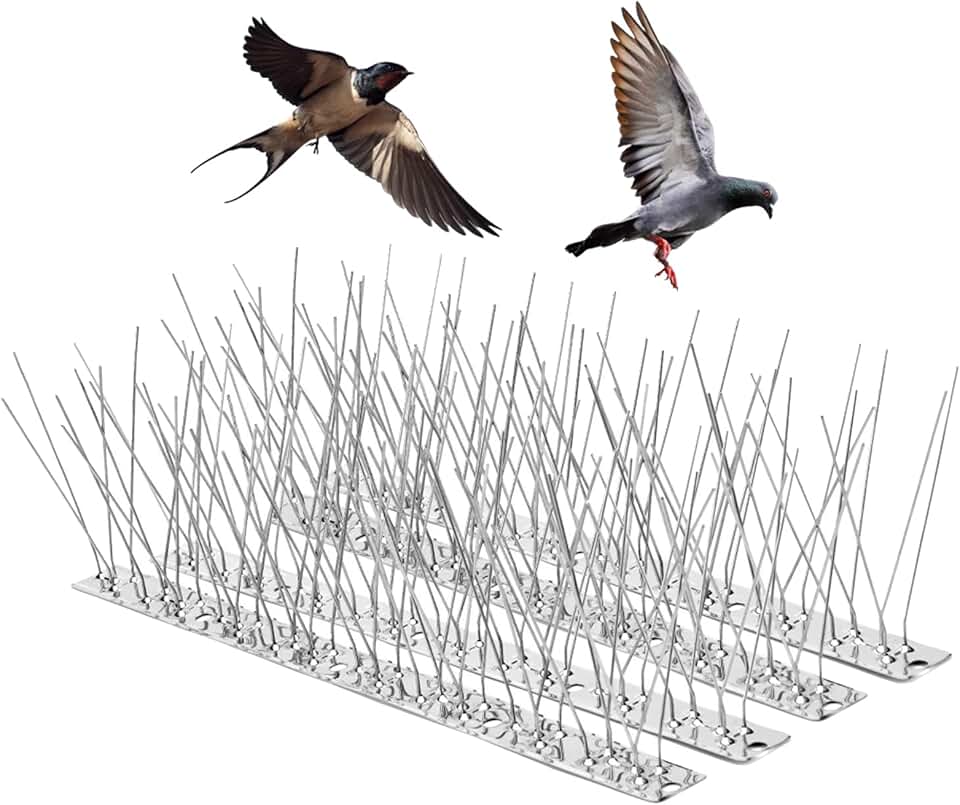
Urban areas are home to a variety of bird species, from pigeons to sparrows, which can often become a nuisance. These birds tend to roost on building ledges, rooftops, and balconies, creating hygiene problems and structural damage. One of the most effective and humane solutions to prevent unwanted bird gatherings is the installation of bird spikes.
Understanding the Need for Bird Spikes
Birds in urban environments are attracted to ledges, rooftops, and other flat surfaces where they can safely perch. While birds may seem harmless, their droppings can corrode metal, stain walls, and spread diseases such as salmonella. Property owners often face costly repairs due to nests and accumulated waste. Installing bird spikes serves as a preventive measure, discouraging birds from landing without causing them harm.
How Bird Spikes Work
Bird spikes are strips of long, needle-like rods made from stainless steel or durable plastic. These spikes create an uneven surface that makes it difficult for birds to land comfortably. Unlike traps or harmful chemicals, bird spikes do not injure birds when installed correctly—they simply act as a visual and physical deterrent. Spikes can be installed on ledges, signage, rooftops, air conditioning units, and other areas where birds are likely to perch.
Choosing the Right Bird Spikes
Not all bird spikes are created equal. Choosing the right type depends on factors such as bird species, installation surface, and climate conditions. Stainless steel spikes are highly durable and ideal for areas exposed to harsh weather. Plastic spikes are lightweight, flexible, and more affordable, making them suitable for smaller ledges or temporary installations. Property owners should also consider spike length and density, as thicker spikes are more effective against larger birds like pigeons, while thinner spikes can deter smaller birds.
Benefits of Installing Bird Spikes
The advantages of using bird spikes go beyond keeping birds away. Firstly, they protect property from damage caused by droppings and nesting. Secondly, they reduce cleaning and maintenance costs over time. Thirdly, bird spikes promote hygiene by preventing the accumulation of bird waste, which can carry bacteria and parasites. Lastly, spikes are a humane solution, avoiding lethal methods and aligning with ethical wildlife control practices.
Installation Tips for Maximum Effectiveness
Proper installation is key to the effectiveness of bird spikes. Ensure that spikes cover the entire surface where bird spikes in dubai are likely to land. Use adhesive or screws based on the surface material for a secure attachment. For long ledges or irregular surfaces, it may be necessary to join multiple spike strips. Regular inspections are recommended to ensure spikes remain intact and clean, as debris or damage can reduce their deterrent effect.
Common Misconceptions About Bird Spikes
Some people believe that bird spikes harm birds, but when installed correctly, they are non-lethal. Another misconception is that spikes are only necessary for pigeons; in reality, spikes are effective for a wide range of urban bird species. Additionally, some property owners assume spikes are unsightly. However, modern designs are low-profile and can blend with building aesthetics, ensuring property appearance is not compromised.
Conclusion
Bird spikes are an essential tool for urban bird control, offering a safe, effective, and long-term solution to prevent birds from roosting on unwanted areas. By understanding their benefits, choosing the right type, and ensuring proper installation, property owners can maintain cleanliness, protect infrastructure, and coexist harmoniously with city wildlife. Investing in bird spikes is a proactive step toward a cleaner, safer, and more visually appealing urban environment.